AI is becoming normal across Boston campuses.
The confusing part is figuring out which rules apply when you actually use it.
MIT entered Fall 2026 recommending that every class clearly explain when AI is prohibited, allowed or required. But MIT has not imposed one Institute-wide classroom AI rule. Individual courses still set their own policies.
BU sets a stricter default.
Under Boston University’s current Academic Conduct Code, AI use that has not been expressly authorized by the instructor is a violation for most students. BU also encourages faculty to make course-specific expectations clear so students do not unintentionally cross that line.
BU’s university-wide code does not apply to students in its Law, Medicine and Dental Medicine schools, which use separate academic-conduct rules.
That confusion exists because AI can sit under more than one rulebook.
Copyright law asks a different question
The U.S. Copyright Office says human-created work can still qualify for copyright protection when AI assists the creative process, as long as the final work contains enough human-authored expression.
Using AI as an assistive tool does not automatically erase copyright protection.
But prompts alone do not automatically make AI-generated material copyrightable either.
That means an assignment could still contain copyrightable human-authored work even if the student’s use of AI violated the rules of the class.
Copyrightability and academic integrity are separate questions.
Universities are bringing AI onto campus at the same time
The distinction matters even more because universities are not simply trying to keep AI outside the classroom.
Emerson currently provides institutionally supported access to tools including Gemini, NotebookLM and Adobe Firefly.
MIT now has an AI Community Hub focused on teaching, learning, research and training.
So the question is becoming less about whether AI exists on campus and more about how clearly each class defines acceptable use.
The syllabus is one of the first places to look
For students this fall, the syllabus is increasingly one of the first places to check.
But silence does not always mean permission.
At MIT, individual courses may set different rules.
At BU, the university’s default rule still applies unless the instructor expressly authorizes AI use.
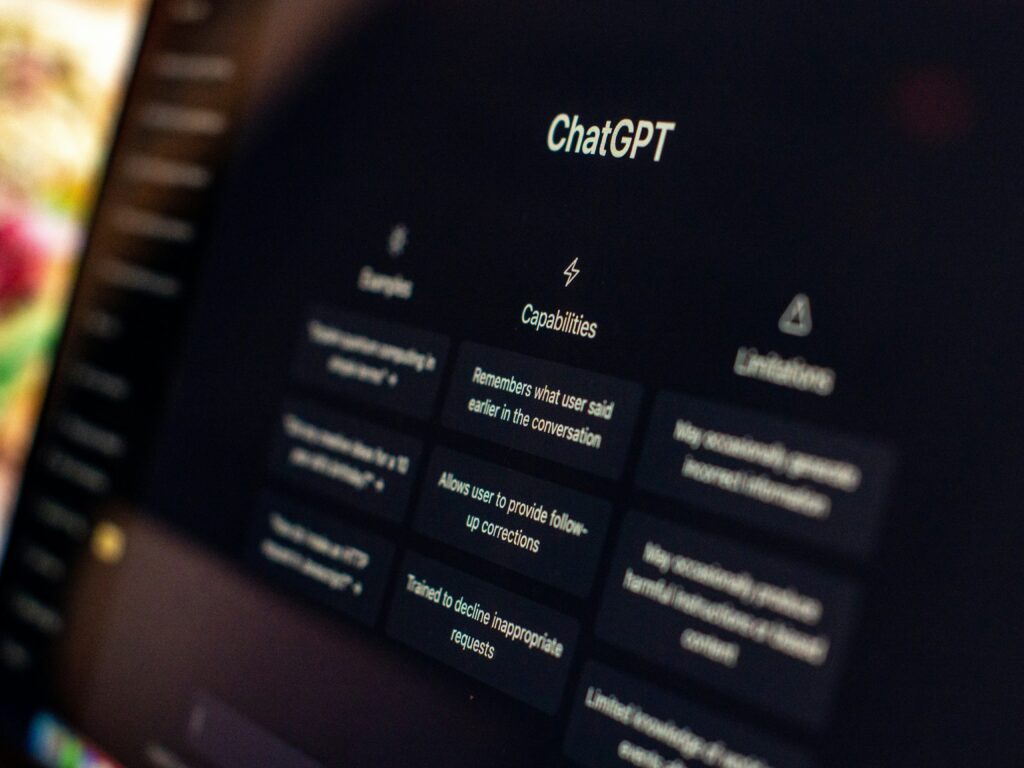
So before using ChatGPT, Gemini, Claude or another AI tool for coursework, check the course policy, university rules and assignment instructions rather than assuming one rule applies everywhere.
The same AI-assisted work can be acceptable under one rulebook and prohibited under another.
That is the part students actually need to understand.
University AI policies and U.S. Copyright Office guidance were checked on September 2, 2026. Course rules can vary and change. This article provides general information about university policy and U.S. copyright guidance, not individualized legal advice.